British Heritage, English Icon a Brand Identity that soars.
Before you read the name, the icon has arrived.
The red dress, the union flag the classic english confidence. This Virgin Atlantic visual gives heritage a beautiful flourish, bringing beauty, empowerment and a distinctive brand identity into the picture.
For brand leaders, the image is clear, know what makes your brand authentic, express it consistently, then live up to it in the experience you give your customers.
Heritage provides the foundation, leadership turns values into everyday decisions, care gives those values meaning, especially when it matters most. Together, they help steer direction and a place in your customer’s lives and their hearts.
A striking image does win attention, the people behind it continue to thrive the next journey, that is where brand leadership becomes more than a creative pursuit, listening, adapting, remaining close to its people, maintaining responsibilities, makes the campaign world class for generations to honour and remember.
Follow Virgin Atlantic’s official social channels for the campaigns, brand personalities and stories that bring its identity to life a compelling tribute in keeping heritage recognisable, relevant and full of life.
Honouring your heritage, leading with humility, continue to give people a reason to return.
We talk about giving children a head start as though it must come with an invoice. The right schooling and education, another lesson a carefully arranged sports club, yet one of the most valuable things we can offer begins with a simple invitation, come on love tell me what you think?
There is room for ambition at the kitchen table, a child describing an invention, questioning a familiar product or explaining why someone inspires them, is offering a glimpse of how they see the world. Give that conversation your full attention, an ordinary question can lead to something meaningful.
For those of us working in commercial expansion and marketing, this should feel valuable and familiar, we spend our professional lives trying to understand what catches a consumer’s interest, earns their trust or gives them a reason to choose. Children get straight to the point, why that shape? show me how it helps me? what makes it special? what does limited edition mean?
These questions are worth answering, that intrigue is worth listening to. It invites us to look at what we offer through the eyes of the person choosing.
Time provides opportunities, a drive or a walk, gives a question room to develop. Cooking introduces decisions about ingredients, quantities, flavour. Choosing a present encourages a child to consider somebody else’s preferences, these experiences provide a natural introduction to understanding people.
That understanding matters in business, best marketing requires paying attention to customers, trust grows when a business keeps its promise, leadership requires clear decisions, respect for others, the willingness to reconsider when the research evidence changes.
Children can explore these principles through projects of their own. They might create a product name, sketch some packaging or explain who would enjoy something they have made, ask them what they would improve, let them enjoy the experience of turning an idea into something beneficial for consumers.
The aim is to discover what interests them, one child may enjoy the design, another may become absorbed in the numbers, someone else may have the gift of explaining an idea. Each deserves room to explore without every hobby becoming a career plan.
An inheritance can provide a starting point, a family business, a respected name in business or a tradition may carry something from the past into the future. The next generation will bring its own perspective. Give children the confidence to ask what deserves preserving, what could work better, what has yet to be imagined and created.
That means listening when they disagree , allow them to explain their reasoning together with an adult opinion without closing the conversation. There is a useful lesson in admitting. “I had not thought of it like that” years later, their observation may be the one you remembered.
Time together need not become another obligation in a busy diary, an ordinary afternoon has value of its own, so does a shared meal, a favourite story or a conversation on the journey home, children deserve those moments without having to produce an impressive result.
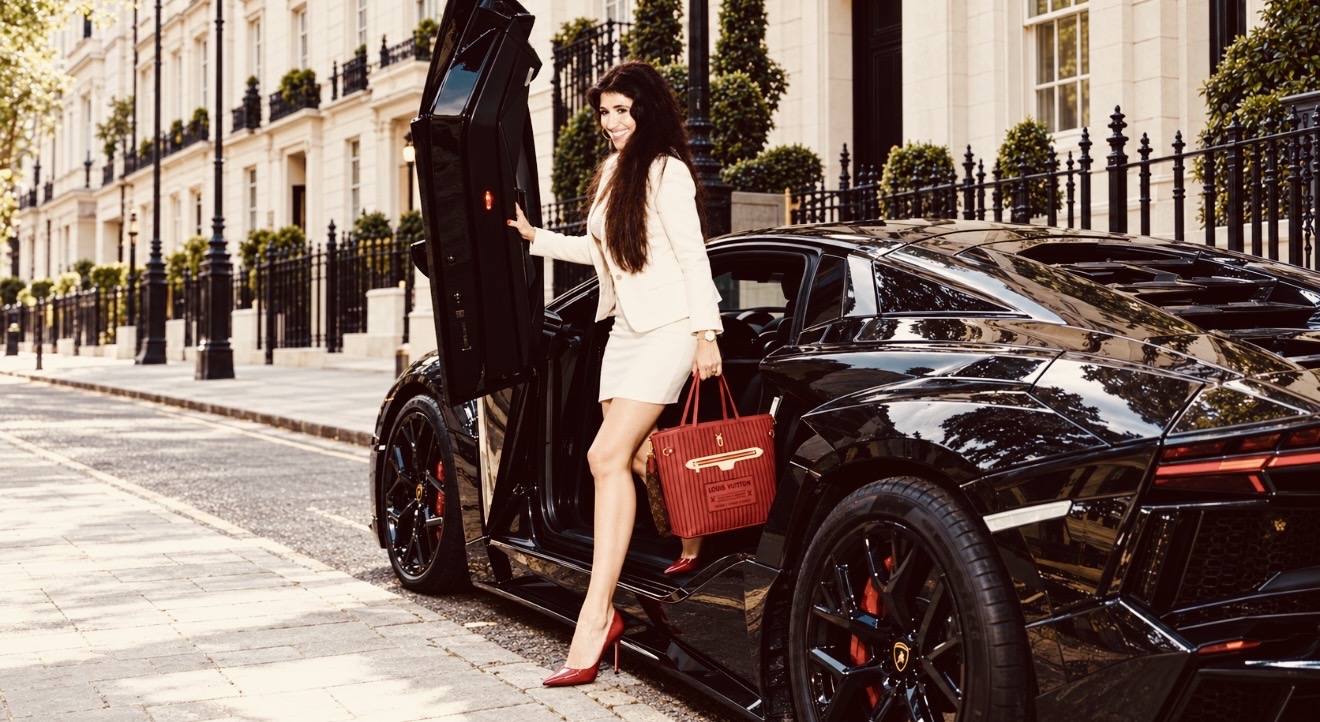
A simple photograph can capture the celebration of arrival. The car, the immaculate tailoring, London backdrop. It is an entrance of classic British confidence, every remarkable brand begins earlier with extensive research with an idea taken onboard and the belief to make it real.
Future brands will need fresh thinking. Give children space to create, confidence to contribute, time to find their own direction.
Your time is their head start, the future is theirs to lead.
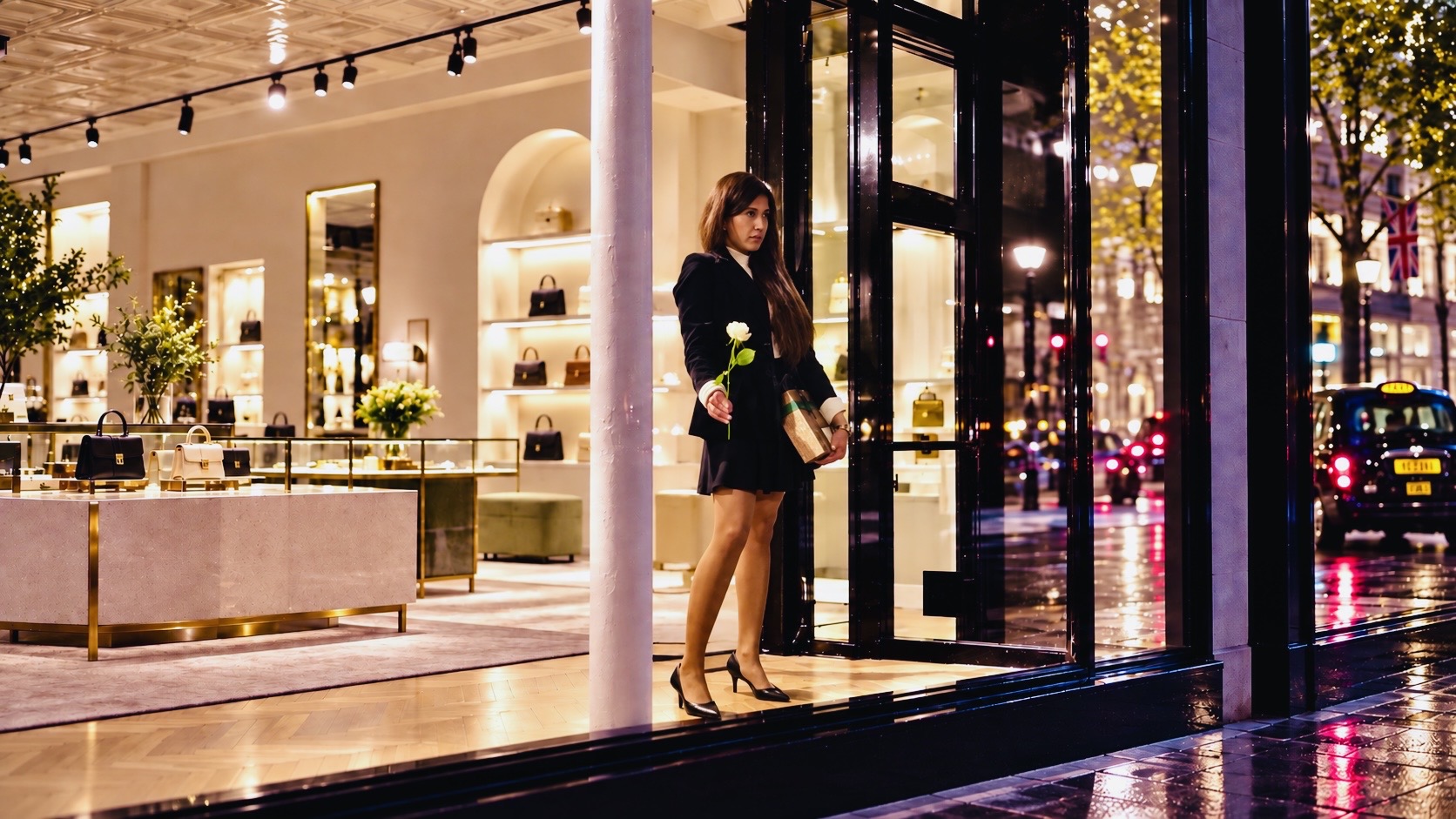
There is something revealing about a good shop window. It tells you, often in seconds, whether a business understands itself.
Before the customer enters, before a conversation begins and before a sale is made, the window has already done part of the work. It communicates taste, confidence, positioning and intent.
That is what has always interested consumers about retail. Some of the best commercial ideas are hiding in ordinary places.
A shop window is not simply decoration, It is strategy made visible.
The strongest windows do not try to explain everything. They understand discipline. They know when to create intrigue, when to reveal just enough and when to leave space for imagination to do the rest, the principle extends far beyond retail.
In business, there is often too much focus on what we want to say. Strong brands think just as carefully about what they want people to feel, that difference matters.
A customer may forget the exact wording of an advert, but remember the atmosphere surrounding a brand. They may forget a campaign headline, but remember the colour, the service, the packaging, the room, the tone of voice or the way something was presented. Those details are not superficial. They become part of commercial memory.
For years, marketing has been moving towards speed, optimisation and efficiency. Faster funnels, more content, more touch points, more data and more opportunities to place a message in front of someone. All of that has value, but efficiency alone does not create desire.
Desire often begins with a pause, a customer stops walking, they look again, they notice a detail, they wonder what is inside, they imagine the product in their own life. That moment is important because it is voluntary.
The customer has not been interrupted, they have chosen to look, that is a very different kind of attention. It is also why the physical world still has so much to teach modern marketing.
A shop window understands framing, a department store understands movement, a hotel lobby understands atmosphere, a restaurant understands anticipation, a good salesperson understands timing.
These ideas existed long before we gave them names such as customer journey, experiential marketing and brand engagement.
Commerce has always been behavioural, the tools change, people do not change quite as quickly.
We are still drawn towards curiosity, we still notice confidence. We still respond to familiarity, we still make emotional judgements before rational ones.
A business that understands those instincts has an advantage. That does not mean every brand should try to become luxurious or theatrical. It means every brand should understand the experience it is creating.
What does someone notice first? What stays in their mind? What makes them trust the business? What makes them curious enough to move closer? What makes the brand feel considered rather than accidental? Those questions matter whether the business sells handbags, software, food, financial services or ideas.
The environment may change, but the principle does not. Good marketing gives people a reason to move towards you. That is why discipline is often more powerful than excess.
A shop window crammed with everything a business sells can become invisible. The eye does not know where to land, the same is true online. More banners, more messages, more popups and more competing calls to action do not necessarily create more persuasion, sometimes they create confusion, clarity is commercial.
A strong brand makes choices, it decides what deserves attention and what does not. It understands that presentation is not merely cosmetic. presentation tells the customer how seriously a business takes itself.
That is particularly important in a world where polished content has become easier to produce. When almost anyone can create something visually competent, judgement becomes more visible. The question is no longer simply whether something looks professional, the question is whether it feels intentional. That is where brand character begins.
A recognisable business has its own rhythm, its own standards and its own way of presenting itself. You begin to know it before you read the name. That kind of recognition is valuable because it reduces the work a brand has to do every time it appears. The shop window understood that years ago.
A good reputable one does not shout for attention, it earns it. It creates enough interest for somebody to stop, then enough confidence for them to step inside, perhaps that is the lesson worth carrying into modern marketing.
The most powerful brands do not simply ask to be noticed, they give people a reason to stop, look, pause and think.